Bish, I’m a resident of the indigo rivers between the green pastures over yonder. You can find me in the wood swales a few hundred paces east of the hilly region
too busy to think for yourself? subscribe to our chat-bot.
The hype will be over when people see it as a phase of technology rather than some kind of divine oracle able to spew forth ultimate sources of truth on a whim. A while back the idea of mechanical reproduction and the personal automobile had similar responses. Its a tool, and a useful one, and will have a large impact on society but its more the emergence of a familiar pattern of colonial technology – the grand arrival of something terribly familiar.
on our own clock: light, lineage, and an afrofuturist gamble
Pre-pandemic, there was a plan. The plan was for musicians from South Africa and Senegal to travel to London’s influential Total Refreshment Centre to make an album with musical kindred spirits in the UK. Like so many plans, it had to be adapted.
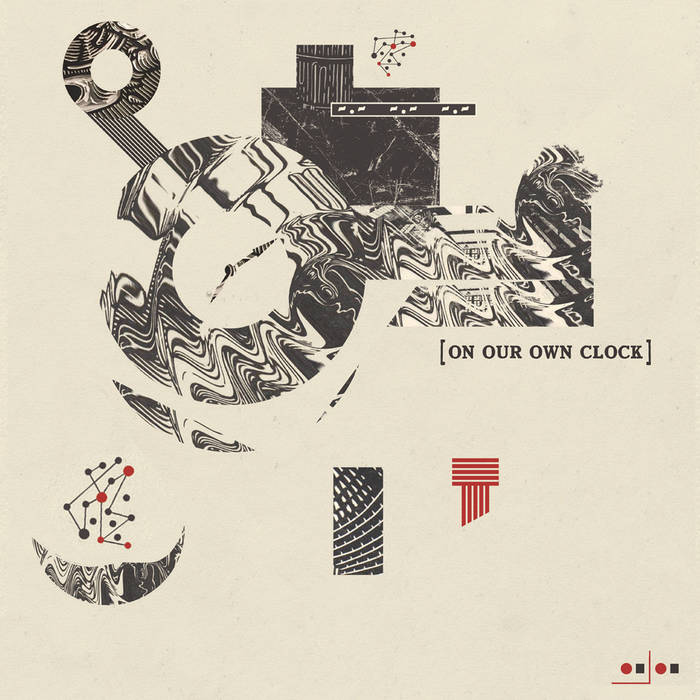
This album represents a kind of transformative energy that many musicians have become afraid to delve into. So many of us are locked into trying to make a living, stay true to a genre, or being respected artists, that it can be easy to forget to have fun and explore. Ytasha L. Womack talks about Afrofuturist music having no “arrangements to adhere to, no locked-in structures about chorus and verse.” That’s what this album feels like—music that isn’t checking a box while still embracing some very dear concepts.
On Our Own Clock came to me on a SoundCloud search when I was browsing for musicians exploring Afrofuturism, and I was hooked on the song “Be the Light.” It starts off with this proverbial wisdom accompanied by Tarang Cissoko on kora, bridging the ancient instrument with a contemporary hip-hop cadence from Grandmaster CAP —similar to what groups like the Senegalese-Swiss Simbin Project have done by blending kora with electronic and experimental sounds. There’s also a conversation between Siya Makuzeni on trombone and Grandmaster CAP that reminds me of the practice of trading in the jazz world. I think of Sun Ra, who Max Jefferson described as running not just a band but a “space program”—music as something bigger than entertainment.
The exploration of light also holds significance for me because we experience this racialized world by our ancestral proximity. Did your ancestors live in a bright sunny environment where melanin became an adaptation to long walks in intense sun? Or did your ancestors come from cloudy peaks, where the sun was an infrequent and welcome visitor? The skin became more welcoming to its rays by adopting a lighter hue. These old racial taxonomies are mapped onto music too—complex art forms placed above rhythm and body just as light skin is placed above dark. We are all mixtures of black and white and everywhere and everything in between. So when we are told to “Be the Light,” what does that actually conjure? Our sacred relationship to light has been burdened with an incessant need to get the bag.
Maybe this music will lead us into a time where race becomes nothing but a laughing matter. Alondra Nelson writes that Afrofuturism “looks backward and forward in seeking to provide insights about identity, one that asks what was and what if.” Until then, we traverse the desert of the real on our own clock.
story of self by aimée okotie-oyekan
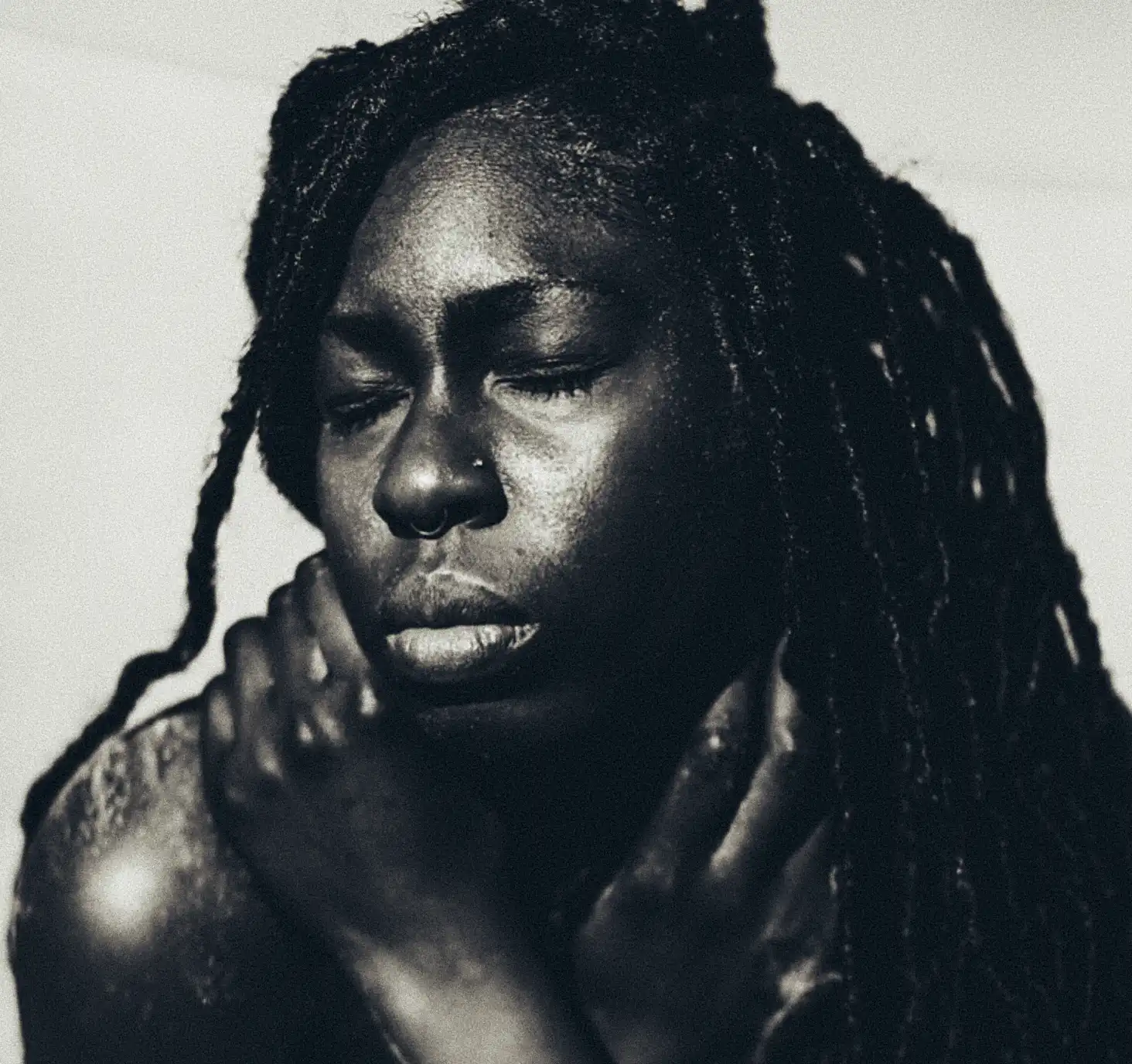
Story of Self
subverting history by delving into the mystery… Oyekan speaks of unknown paths across the Black Atlantic that have been well traveled. this track, story of self, is documentary evidence of a saga deeply rooted in the fungal networks that connect our ancestors. what makes us, us?